
Popular Equipment For Concrete Deliveries To Simplify Your Projects
Identify essential tools that help streamline concrete delivery tasks and enhance overall project efficiency.
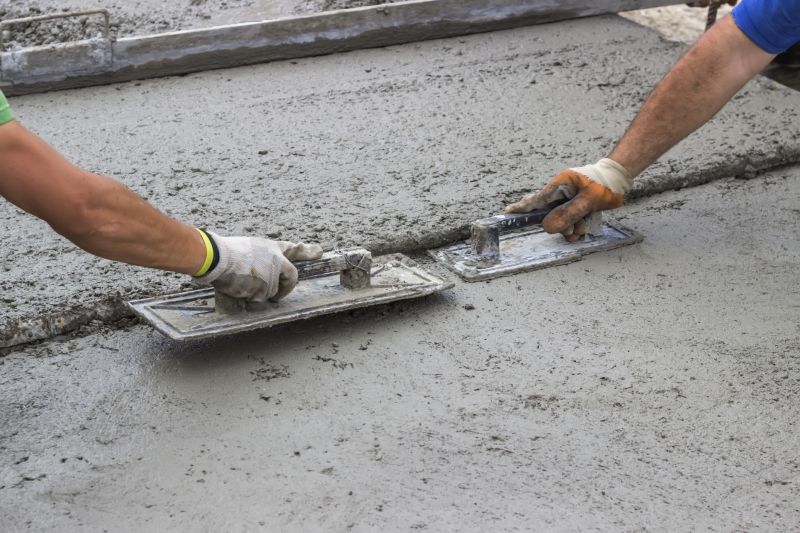 Products designed for concrete deliveries encompass a wide range of equipment and accessories that facilitate the efficient transportation, pouring, and finishing of concrete. These tools are essential for construction projects of all sizes, from small residential builds to large commercial developments. Proper selection of concrete delivery products can help ensure that concrete is transported safely, remains workable, and is applied accurately to achieve the desired structural integrity and surface finish. Whether dealing with raw concrete mixers, transport vehicles, or specialized accessories, having the right equipment can streamline operations and improve overall project outcomes.
Top Overall Option
Portable Concrete Mixer
A versatile portable concrete mixer allows for on-site mixing with adjustable capacity and easy maneuverability. It is suitable for small to medium projects, providing a convenient solution for consistent mixing and transportation of concrete. Its durability and ease of use make it a popular choice among professionals and DIY enthusiasts alike.
Types of Products For Concrete Deliveries
Concrete Mixers
Devices designed to blend concrete ingredients thoroughly for consistent quality during transport and application.
Concrete Pumps
Equipment used to transfer liquid concrete efficiently from mixers to the desired location, especially in hard-to-reach areas.
Concrete Chutes
Inclined channels that guide poured concrete from trucks or pumps to the precise location on the site.
Concrete Vibrators
Tools that eliminate air bubbles and ensure proper settling of concrete for a smooth finish.
Wheelbarrows
Essential for manually transporting small quantities of concrete across the site.
Concrete Buckets
Heavy-duty containers used for lifting and pouring concrete in specific areas, often with a hoist system.
Trowels and Floats
Tools for finishing and smoothing concrete surfaces after pouring.
Concrete Scarifiers
Machines used to roughen or remove concrete surfaces for better adhesion or aesthetic purposes.
Reinforcement Mesh
Steel mesh or rebar used to strengthen concrete structures and prevent cracking.
Formwork Systems
Temporary molds that shape and support concrete until it hardens.
Concrete Curing Blankets
Materials used to retain moisture and temperature during the curing process for optimal strength.
Concrete Edgers and Groovers
Tools used to create clean edges and control joints in concrete surfaces.
Popular Choices
Widely used for small-scale projects, offering mobility and ease of mixing on-site.
Commonly employed to ensure proper consolidation of poured concrete.
Popular for delivering concrete in large or complex projects, especially in confined spaces.
A staple for manual concrete transport, valued for their simplicity and versatility.
Favored for directing concrete from trucks to the pour site efficiently.
Essential for structural integrity, frequently used in slab and foundation work.
Popular for shaping concrete in various construction applications.
Common finishing tools for achieving smooth surfaces in concrete work.
Used for targeted pouring in specific areas, especially in multi-level projects.
Frequently selected to maintain optimal curing conditions for concrete strength.
Concrete delivery involves multiple stages, including mixing, transportation, pouring, and finishing. Each stage requires specific products tailored to meet the demands of the task. For example, concrete mixers are designed to keep the mixture agitated during transit, preventing premature setting. Chutes and pumps are used to direct concrete precisely where needed, reducing waste and spillage. Additionally, tools like vibrators and trowels are crucial for achieving smooth, even surfaces. Investing in durable, reliable products suited for concrete delivery can significantly enhance efficiency and safety on the job site.
In choosing products for concrete deliveries, considerations such as capacity, portability, durability, and compatibility with existing equipment are vital. Proper maintenance and understanding the specifications of each product can extend their lifespan and ensure consistent performance. Safety features and ease of operation are also important factors, especially in busy construction environments. By selecting the appropriate tools and accessories, contractors and DIY enthusiasts alike can facilitate smoother workflows and achieve better results in their concrete projects.
Key Buying Considerations
- Capacity and size to match project scale and volume requirements.
- Portability and ease of transportation around the job site.
- Durability and material quality for long-term use and resistance to wear.
- Compatibility with existing equipment and workflows.
- Ease of operation and safety features for user protection.
- Maintenance requirements and availability of replacement parts.
- Power source options, such as electric or gas-powered, based on site conditions.
- Adjustability and control features for precise application.
- Weight and maneuverability for ease of handling in confined spaces.
- Cost-effectiveness relative to project budget and expected lifespan.
- Availability of accessories or attachments to expand functionality.
- Compliance with safety standards and regulations in your region.
- Brand reputation and customer support services.
- Environmental conditions where the equipment will be used, such as outdoor exposure or indoor use.
This content contains affiliate links. We may earn a commission if you purchase through these links, at no additional cost to you.